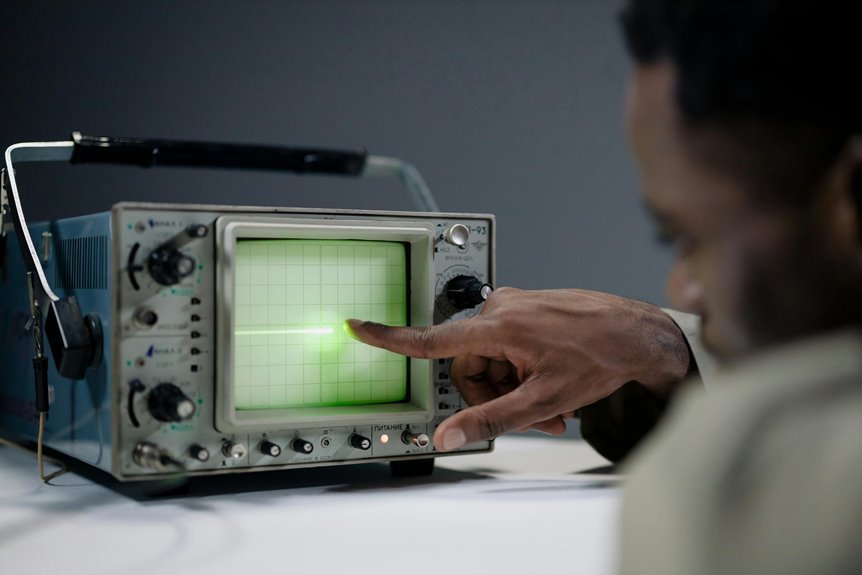
The Commercial Signal Diagnostics Report provides a detailed evaluation of six specific signals: 911314283, 923247014, 641427848, 692662412, 911980119, and 672998180. Each signal exhibits unique performance characteristics and operational health metrics. Notable disparities in response times and overall efficiency emerge. Understanding these insights is crucial for optimizing signal management strategies. The implications of these findings warrant further exploration into potential enhancements and necessary interventions.
Overview of Signal Identifiers
Signal identifiers serve as essential components in the realm of commercial signal diagnostics, acting as unique markers that facilitate the classification and tracking of various signal types.
Performance Analysis of Each Signal
While examining the performance of various signal types, it becomes evident that each signal exhibits distinct characteristics that influence its operational efficacy.
Signal comparison reveals significant variations in response times and reliability.
Analyzing data trends across signals 911314283, 923247014, and others demonstrates unique patterns, highlighting strengths and weaknesses.
These insights facilitate informed decision-making regarding signal deployment and optimization strategies, ultimately enhancing operational effectiveness.
Operational Health Assessment
An assessment of operational health is vital for determining the effective functioning of various signal systems.
Evaluating operational efficiency reveals how well these systems utilize resources while maintaining signal reliability. Metrics such as uptime, response time, and error rates provide insights into potential weaknesses.
A thorough analysis informs stakeholders, ensuring that signal systems operate optimally and support overall operational objectives effectively.
Recommendations for Enhancing Functionality
To enhance the functionality of signal systems, implementing targeted improvements based on operational assessments is essential.
Key recommendations include prioritizing functionality enhancements that focus on signal optimization through advanced algorithms, real-time monitoring, and adaptive response mechanisms.
These strategies ensure that signals operate efficiently, reducing latency and improving overall performance, thereby providing users with a more reliable and responsive system that promotes operational freedom.
Conclusion
In conclusion, the Commercial Signal Diagnostics Report illuminates the intricate tapestry of signal performance, revealing both strengths and vulnerabilities. Like a well-tuned orchestra, signals 911314283 and 911980119 harmonize effectively, while 672998180 lingers in discord, requiring urgent refinement. The contrasting response times of 641427848 and 692662412 underscore the need for targeted interventions. By implementing the outlined recommendations, the system can transform from a dissonant cacophony into a seamless symphony, enhancing operational efficacy and reliability.